News
VÍTUKE RECEIVES FINANCIAL SUPPORT FROM GERMANY DURING COP31
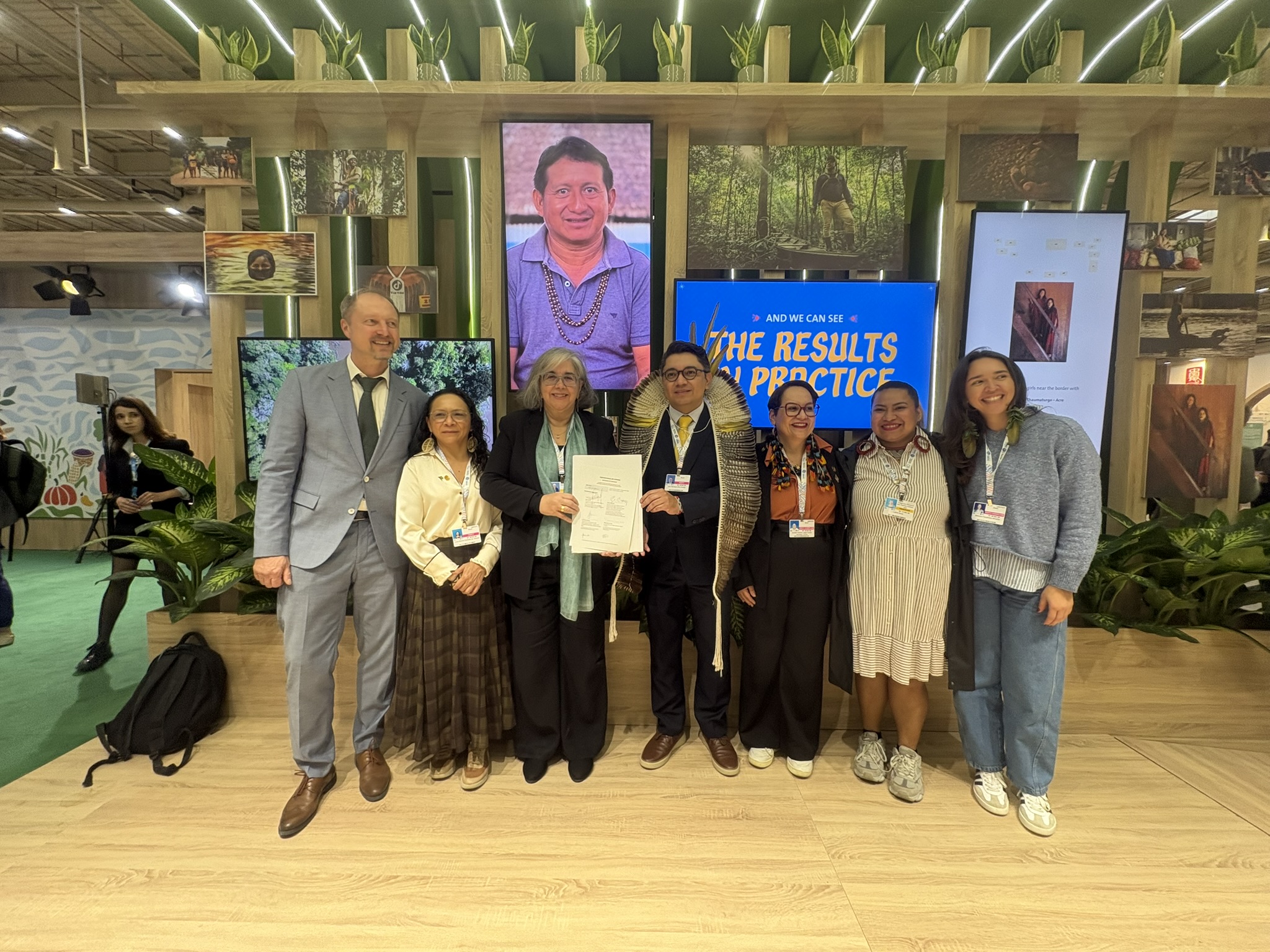
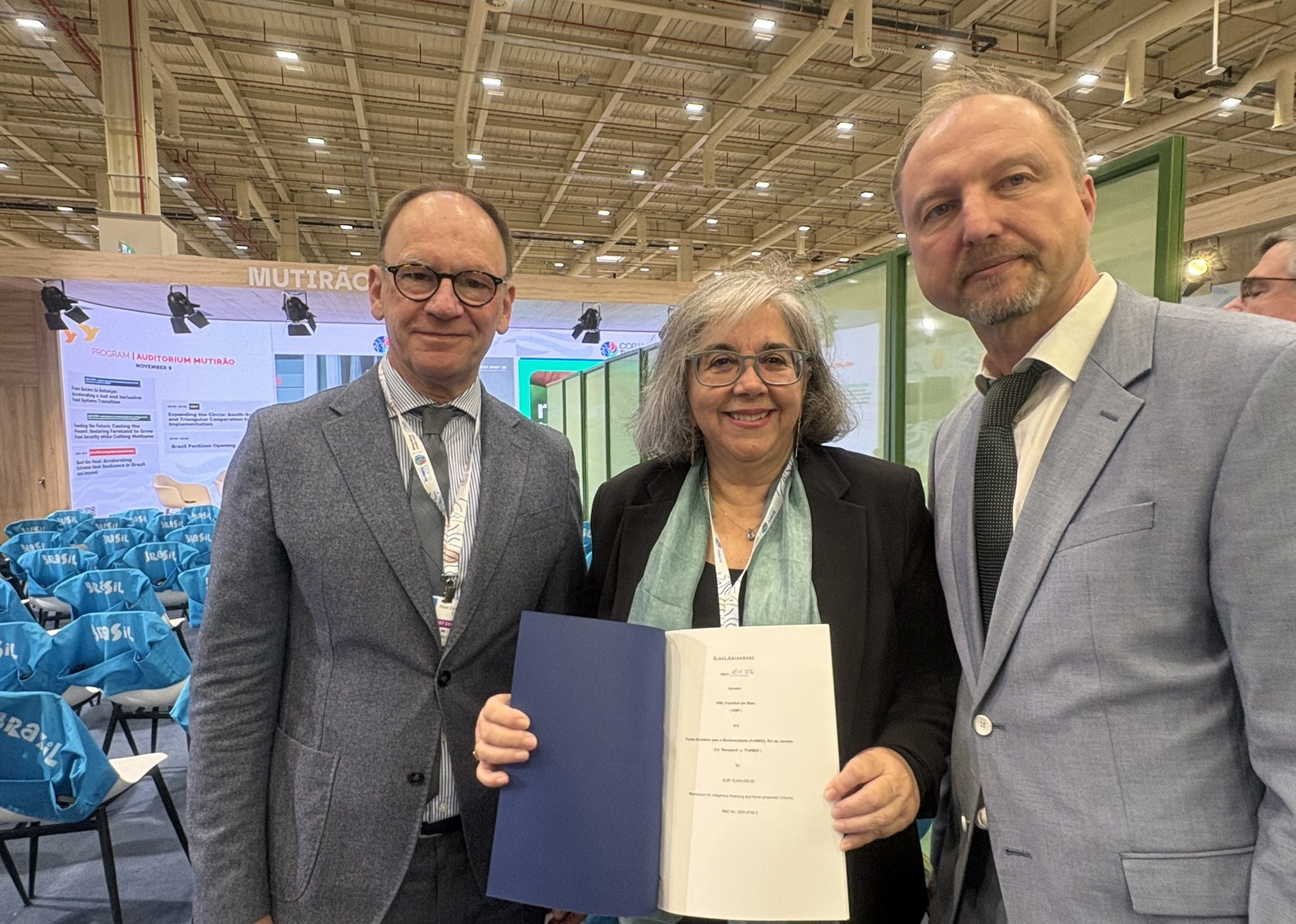
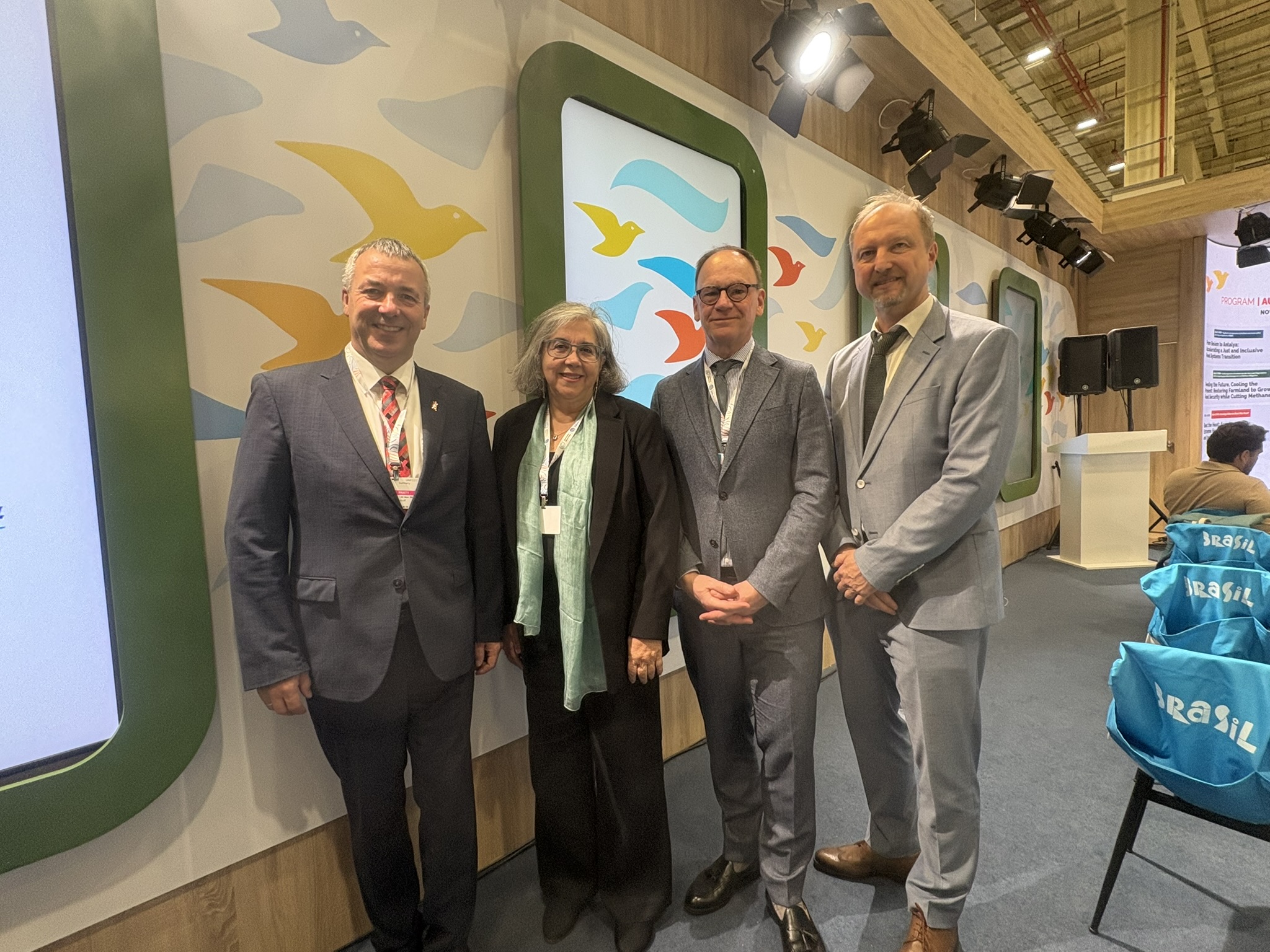
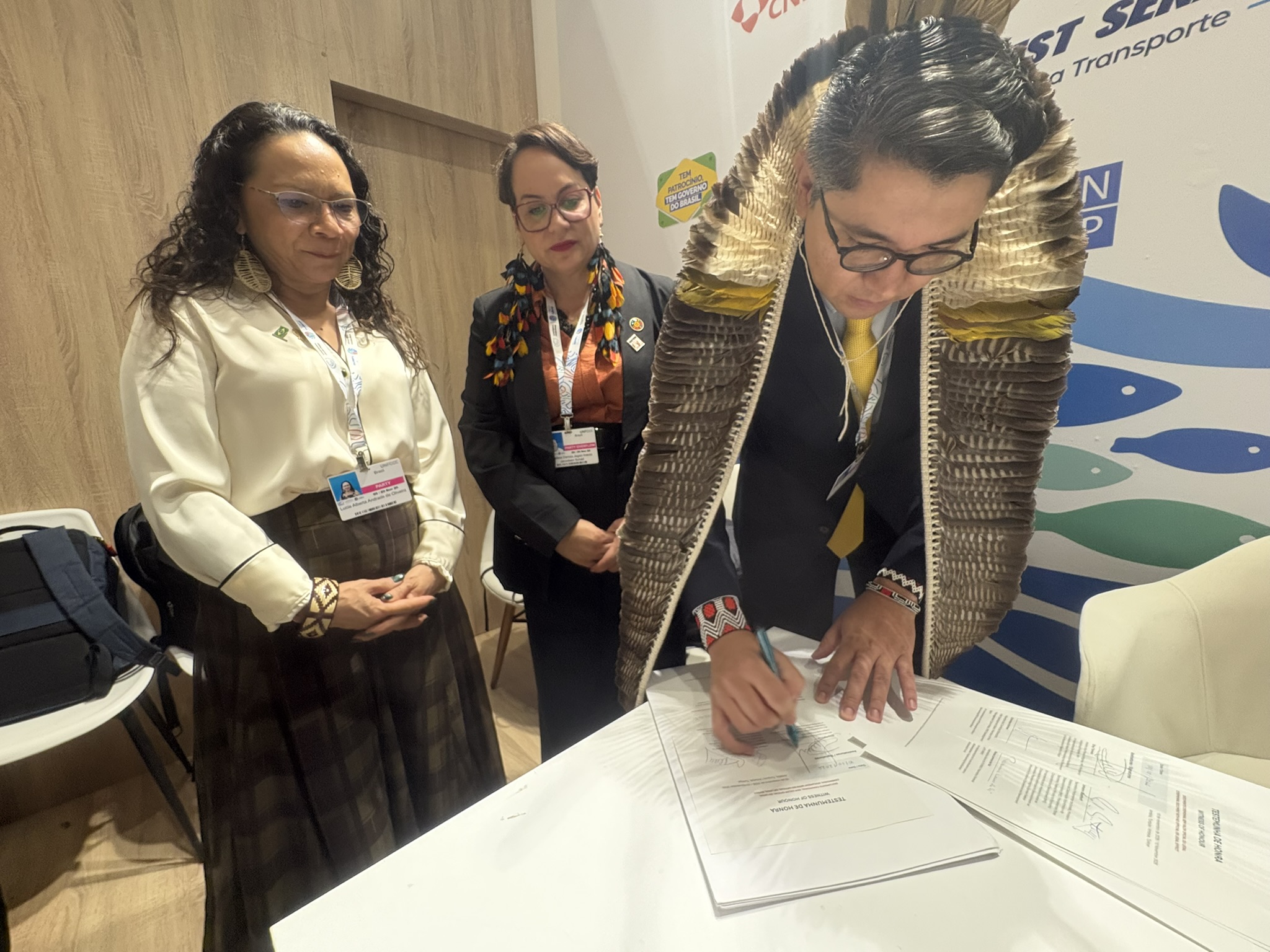
The financial mechanism will help support the protection and management of indigenous lands in the country.
During COP31 in Antalya (Turkey), a donation of 15 million euros (R$ 93 million) from Germany’s Federal Ministry for Economic Cooperation and Development (BMZ), through KfW, was signed over to the Vítuke program. Developed by the Ministry of Indigenous Peoples (MPI) and FUNBIO, in partnership with the National Foundation of Indigenous Peoples (FUNAI), as well as regional and local indigenous funds and organizations, the initiative has the potential to help protect more than 100 million hectares and benefit over 250,000 people on indigenous lands across all Brazilian biomes.
The agreement was formalized with the participation of the Parliamentary State Secretary of the Federal Ministry for Economic Cooperation and Development of Germany (BMZ), Johann Saathoff, and the Senior Vice President of Strategy and Public Policy at the KfW Development Bank, Christian Krämer. Among the Brazilian representatives’ present were the Minister of Indigenous Peoples, Eloy Terena; the president of FUNAI, Lúcia Alberta Baré; the president of the deliberative council of Vítuke, Joziléia Kaingang; and Rosa Lemos de Sá, Secretary-General of FUNBIO. With the donation, the funds already raised total US$65 million.
Vítuke means “ours” in the Terena language and reflects the essence of the financial mechanism from its very beginning: to expand indigenous communities’ access to direct, long-term resources to protect their territories, supporting the implementation of the National Policy for Territorial and Environmental Management of Indigenous Lands (PNGATI) in the country. The investments can fund actions for protection, prevention, and restoration of environmental damage, with expected impacts on biodiversity conservation, strengthening indigenous governance, developing sustainable productive activities, and boosting climate resilience.
“Vítuke is a mechanism for indigenous peoples to access resources aimed at strengthening their management and expanding their activities in their territories. These resources will be applied in actions complementary to those of the government, defined by the indigenous peoples themselves as priorities,” says Rosa Lemos de Sá, Secretary-General of FUNBIO.
From 1985 to 2024, Brazil’s indigenous lands lost less than 1% of their native vegetation, compared to 21% recorded in private lands over the same period (MapBiomas). The data highlights the role of guardians of the forest played by almost 1.7 million indigenous people in the country, belonging to 391 ethnicities, peoples, and indigenous groups, spread across roughly 118 million hectares. Their contribution goes beyond preserving native vegetation. From 2001 to 2021, forests located on Indigenous Lands in Brazil removed four times more carbon from the atmosphere than they emitted, reinforcing their strategic role in mitigating climate change.
Since it was announced at COP30 in Belém, Vítuke has also received financial support from the Bezos Foundation, the Gordon and Betty Moore Foundation, the Global Biodiversity Fund (GBFF), and the World Bank with resources from the Green Climate Fund (GCF).