Serra do Amolar Gets a Long-Distance Trek in One of the Pantanal’s Most Remote Regions
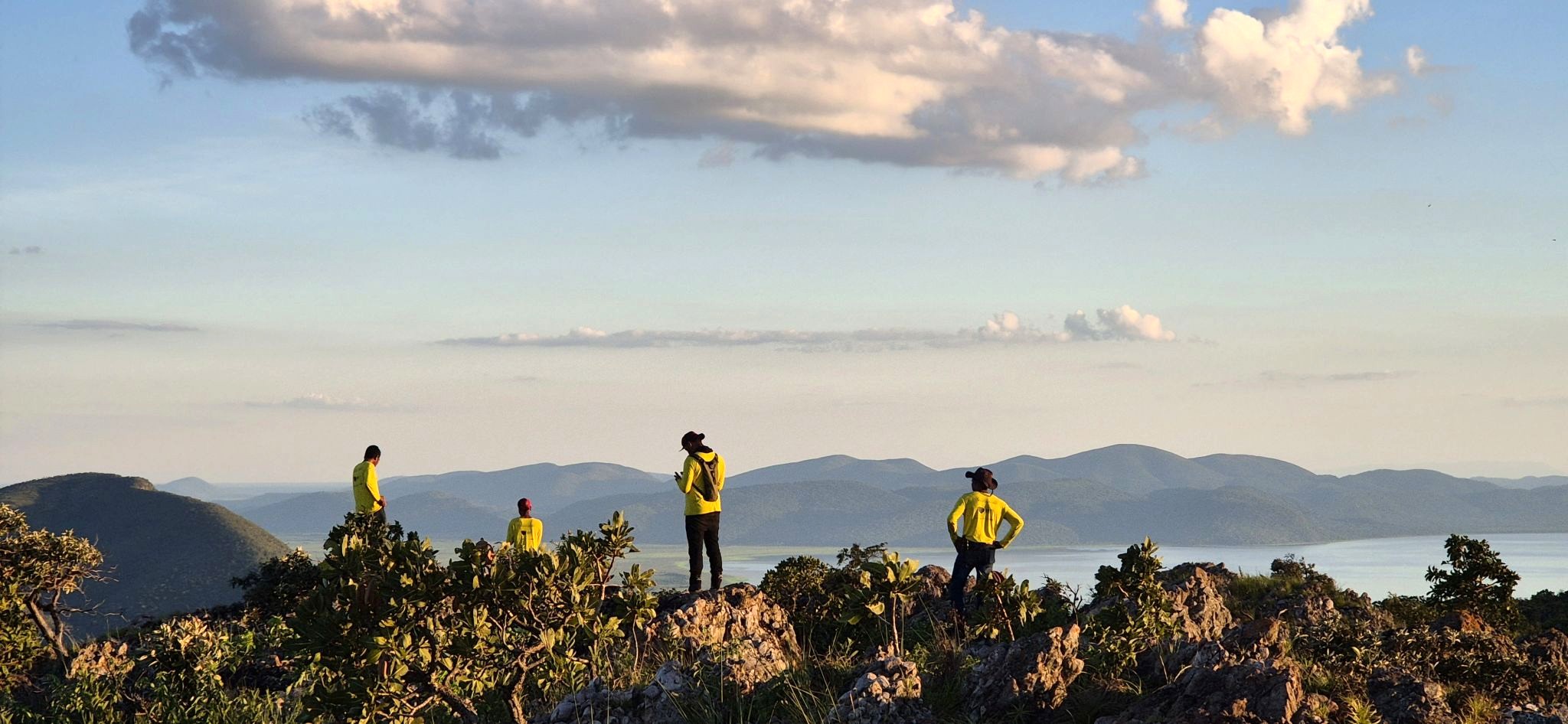
The new route combines hiking, boating, and kayaking in a seven-day expedition through a region where mountains, wetlands, and traditional communities coexist in one of Brazil’s most unique landscapes. The trek is funded by the GEF – Global Environment Facility. When one thinks of the Pantanal, the most common image is that of a vast floodplain crisscrossed by rivers and teeming with wildlife. Few people imagine that, in the far west of Mato Grosso do Sul, near the border with Bolivia, a mountain range breaks through this landscape and creates one of the country’s most breathtaking settings. That is where the Serra do Amolar is located—an 80-kilometer-long range formed by the final uplift events of the Andes Mountains (about 2.5 million years ago)—featuring rocky peaks up to 1,000 meters high, forests, floodplains, bays, traditional communities, and one of the highest concentrations of biodiversity in the Pantanal, which is home to the second-highest mammal population density on Earth, at 0.724 species per 1,000 km². The area plays a vital role as a natural barrier to regulate the flow of springwater and ensure that flooding occurs in the Upper Paraguay River basin—a process of vital importance to the hydrological system and the regulation of wildlife for hundreds of species. Despite its environmental and cultural significance—it is recognized as a UNESCO Biosphere Reserve—the region remains little known outside of scientific research, conservation, and local communities. Now, a new long-distance trail aims to bring visitors closer to this territory. This is the Guadakan Crossing, part of the Rede Trilhas network (https://www.redetrilhas.org.br/w3/), which offers a 360-degree view of the Pantanal and traverses the Serra do Amolar on a seven-day expedition that includes hiking, boating, and kayaking. Along the route, participants can traverse trails in remote areas, navigate Pantanal rivers and bays, visit local communities, and explore landscapes rarely accessed by visitors to the biome. More than just an adventure itinerary, the goal is to reveal the different layers of a territory shaped by water, mountains, and human presence. With the Guadakan Crossing, visitors have the opportunity to understand how one of the largest continental wetlands on the planet functions. The Pantanal plays a strategic role in regulating water on an international scale in South America, helping to maintain water flows that sustain economic activities, food chains, and ways of life across different territories. Changes to this system can have impacts that extend beyond its geographical boundaries. During the trek, participants travel through areas where the dynamics of floods and droughts influence the landscape, wildlife, vegetation, and local ways of life. The route also provides insight into how different groups have built their relationship with the region over at least 5,000 years, including traditional communities and Indigenous peoples who remain connected to the history of the Serra do Amolar. The route includes stops at iconic sites in the region, such as the Eng. Eliezer Batista and Acurizal-Penha Private Natural Heritage Reserves (RPPNs) and the Uberaba Guató Village, a community located on Ínsua Island. This region spans more than 50,000 hectares, is home to over 200 animal species, and provides habitat to protect at least 10 species of mammals and birds classified as vulnerable or endangered on the global list of threatened animals. The Guató Community, meanwhile, is known as the “canoe people,” with a way of life adapted to rivers and floodplains. Their journeys alternate between land and water in a territory where mountains and wetlands coexist in a way that is rare within the Pantanal. “The Guadakan Crossing offers a very different perspective on the Serra do Amolar. Those who travel the route come to understand how the landscape changes along the way and how biodiversity, culture, and history are interconnected in this territory. It is an experience shaped by the place itself,” says Rodolfo Marçal, portfolio manager at FUNBIO. The trek was organized as part of the initiatives carried out in the region by GEF Terrestre, a project focused on developing conservation, restoration, and management strategies for biodiversity in the Caatinga, the Pampa, and the Pantanal—Brazilian biomes that are underrepresented in the National System of Conservation Units. The project, carried out by the Instituto Homem Pantaneiro (IHP), is funded by FUNBIO, technically coordinated by the Ministry of the Environment and Climate Change, and carried out in partnership with other institutions involved in biodiversity conservation. For the Instituto Homem Pantaneiro (IHP), the trail stems from a desire to showcase the Serra do Amolar beyond the images typically associated with the Pantanal. “We’re talking about a territory with ancestral ties to the Guató people, which connects regions and communities, plays an essential role in the reproduction of various animal species, contributes to the protection of biodiversity, and fosters a unique and singular connection with nature. It is part of one of the best-preserved areas of the Pantanal,” explains IHP President Ângelo Rabelo. With approximately 24 kilometers of hiking and 20 kilometers of kayaking, the journey takes participants through a part of the Pantanal far removed from conventional itineraries. The route connects landscapes, stories, and forms of human settlement that help visitors understand the complexity of one of the country’s most unique regions. The trail helps demonstrate the Pantanal’s resilience in facing growing challenges related to its water dynamics. Changes in rainfall patterns, prolonged periods of drought, increased frequency of fires, and human interventions along the rivers have affected the functioning of this natural system, which is directly dependent on the ebb and flow of the floodwaters. This balance is fundamental not only for the biome but also for maintaining the ecological processes that connect the Pantanal to other regions of the country and link the water supply to the Paraguay-Paraná Basin, the second-largest river system in South America. At a time when fewer and fewer places remain off the beaten path, the Serra do Amolar remains a territory waiting to be discovered, and the Guadakan Crossing offers an opportunity to explore it at a leisurely pace, observing what usually goes unnoticed by those who merely pass through the region.
Read news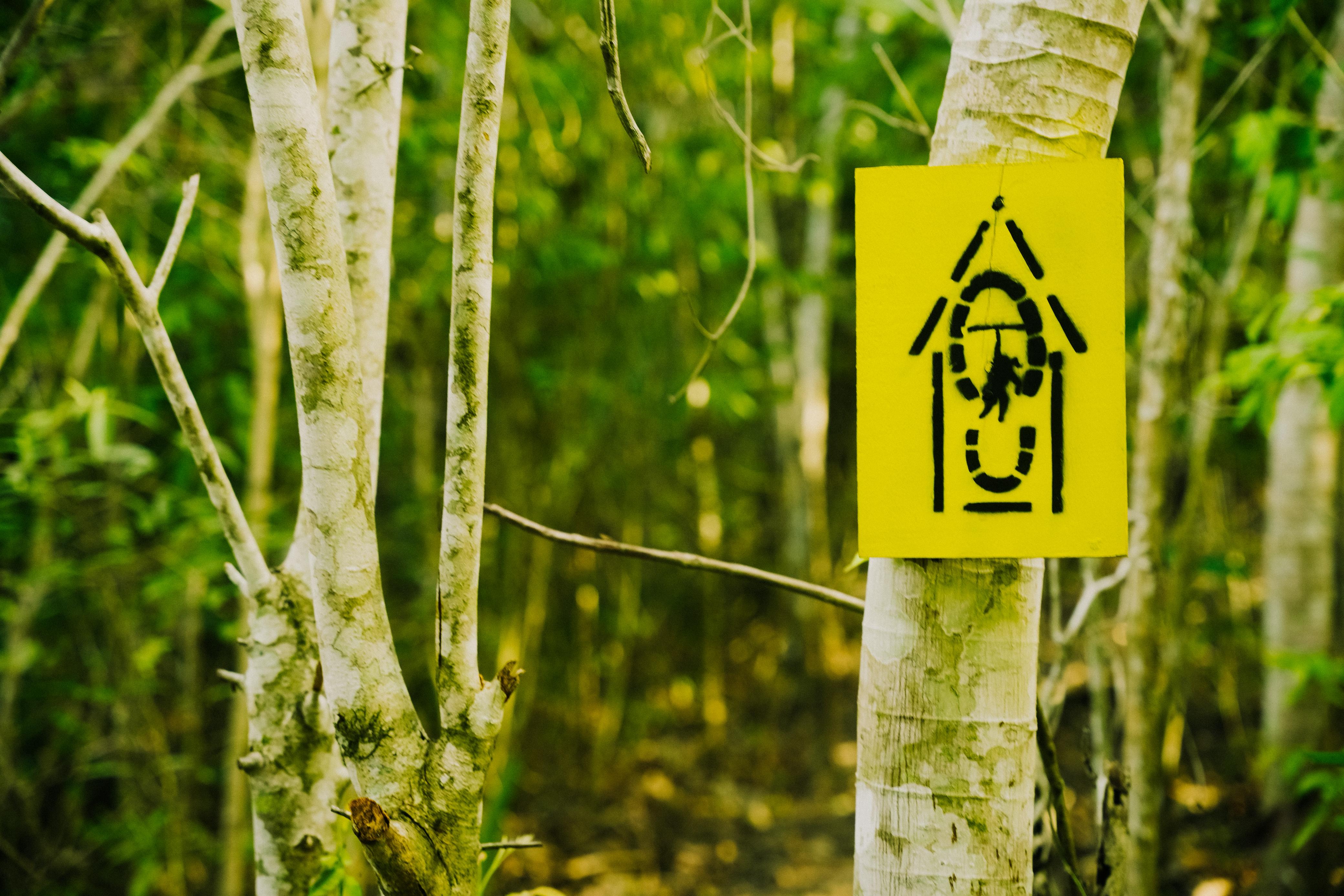
LONG-DISTANCE TRAIL CONNECTS BIOMES, CULTURES AND OPPORTUNITIES IN NORTHEASTERN BRAZIL
Spanning 180 km between the states of Piauí and Ceará, the Caminhos da Ibiapaba Trail integrates conservation units, strengthens community-based tourism and boosts the local economy Northeastern Brazil has just gained a new long-distance trail connecting two states, three biomes and three protected areas. Stretching 180 km across landscapes of the Caatinga, Atlantic Forest and Cerrado, the Caminhos da Ibiapaba Trail crosses the border between Piauí and Ceará, linking Sete Cidades National Park (PI), Ubajara National Park (CE) and the Serra da Ibiapaba Environmental Protection Area (CE and PI). Along the route, created with the GEF's support, scenic viewpoints, waterfalls, archaeological sites and traditional communities offer visitors an immersive experience in the diversity of the sertão, while creating new income and employment opportunities for local residents through community-based environmental tourism. Caminhos da Ibiapaba is one of 22 long-distance trails officially recognized by the National Network of Long-Distance Trails and Connectivity, a public policy initiative led by the Ministry of the Environment and Climate Change (MMA) and the Chico Mendes Institute for Biodiversity Conservation (ICMBio), in partnership with the Ministry of Tourism. The implementation project for the first long-distance trail to cross the Caatinga biome was developed by the Brazilian Institute of Municipal Administration (IBAM), in partnership with local governments and supported by the GEF Terrestrial Program—an initiative of the Ministry of the Environment funded by the Global Environment Facility (GEF), with FUNBIO as the executing partner and the Inter-American Development Bank (IDB) as the implementing agency. The trail promotes landscape connectivity in priority areas for biodiversity conservation, while strengthening ecotourism and adventure tourism as drivers of regional development. According to Pedro da Cunha e Menezes, Director of Protected Areas at the Ministry of the Environment and Climate Change (MMA), the trail—now 100% signposted—already stands out as a robust tourism product, with tour operators, trained local guides and an extensive accommodation network registered as partners. “It is a complete crossing, combining natural and cultural elements and diverse possibilities of use, reviving the culture of the tropeiros and traveling merchants who helped shape the history of Northeastern Brazil,” he said. Built along a centuries-old route still used today by traders buying and selling goods in the sertão, Caminhos da Ibiapaba connects multiple ecosystems, landscapes and cultures, blending memory, conservation and development. “With this initiative, ICMBio advances its mission of conserving nature with people, offering visitors the opportunity to discover and fall in love with the landscapes, geological monuments, fauna and flora preserved in the Serra da Ibiapaba, as well as to experience the culture and hospitality of local communities, which provide various support points along the crossing,” said Carla Guaitanele, ICMBio’s General Coordinator for Public Use and Environmental Services. The initiative represents a new itinerary opportunity for travel agencies and tour operators working with sustainable tourism in Brazil. “Long-distance trails like Caminhos da Ibiapaba strengthen local value chains, foster community-based tourism, enhance natural and cultural heritage, and increase the visibility of destinations aligned with best practices in conservation and sustainable territorial development through tourism,” said Fabiana Oliveira, General Coordinator for Tourism Products and Experiences at the Ministry of Tourism. For FUNBIO, actions to promote long-distance trails strengthen and complement the work of consolidating protected areas as strategic spaces that bridge environmental and social agendas. “Caminhos da Ibiapaba is a bet on environmental conservation as a driver of an economy that includes local communities as protagonists of social transformation,” said Rodolfo Marçal, manager responsible for the GEF Terrestrial Program. “The proposal is for the program to support the implementation of other equally strategic routes in the program’s two other target biomes, the Pampa and the Pantanal,” he added. Bringing Caminhos da Ibiapaba from concept to reality required engaging residents in building an itinerary that values sustainable regional development. “Beyond environmental importance, it is essential that initiatives like this also generate social and economic value for private landowners located along the route and for the communities encountered along the way,” explained Thiago Beraldo, technical coordinator of the trail’s implementation project. For this reason, various lodging and dining options in the region—from affordable to upscale—were mapped and invited to become trail partners, receiving an official plaque identifying their participation in the project. Mrs. Teresinha grows coffee, oranges, and lemons on her family’s small property, located within the Serra da Ibiapaba Environmental Protection Area. The family, which already operated Hotel Fazenda Engenho Velho as a rural tourism inn, sees an opportunity to welcome more guests interested in discovering the region’s natural attractions and the stories of its people. “We grow more than food. Our responsibility is to value the work of men and women who dedicate themselves to farming and now also to rural tourism,” she says. With the support and active participation of managers of the protected areas, preexisting routes were reviewed and adapted, making them more accessible, safer and more attractive to visitors. From standardized signage following the National Network of Trails guidelines to the redesign of sections to prioritize shaded areas and natural viewpoints, each stage was planned to enhance the visitor experience. Notably, nearly 40 kilometers of the route were reconfigured to pass through the interior of Ubajara National Park, replacing previous stretches that crossed roads and urbanized areas. The Caminhos da Ibiapaba Trail can be explored on foot or by bicycle, partially or in full, individually, in groups or accompanied by trained local guides. Signage ensures safe navigation for those who prefer to travel independently, while local guides enrich the journey with knowledge about the territory. The many viewpoints along the route offer panoramic views of the Serra da Ibiapaba from Ubajara National Park in Ceará, as well as the impressive geological formations featuring rock paintings in Sete Cidades National Park in Piauí. In total, the thirteen sections that make up the long-distance trail pass through municipalities such as Tianguá, Ubajara and Ibiapina in Ceará, and São João da Fronteira, Brasileira and Piracuruca in Piauí, crossing communities that preserve 17th-century houses, dams and reservoirs, further enriching the experience. In São João da Fronteira, local mobilization gave rise to a complementary route—the São João da Fronteira Trail—a short but unique path among carnaúba palms and rock paintings, expanding the project’s reach and consolidating its community legacy. [video width="848" height="478" mp4="https://www.funbio.org.br/wp-content/uploads/2026/02/WhatsApp-Video-2026-02-24-at-11.04.11.mp4"][/video] Information: Caminhos da Ibiapaba Trail: https://www.gov.br/icmbio/pt-br/assuntos/biodiversidade/unidade-de-conservacao/unidades-de-biomas/caatinga/lista-de-ucs/parna-de-ubajara/trilha-caminhos-da-ibiapaba Ubajara National Park: https://www.gov.br/icmbio/pt-br/assuntos/biodiversidade/unidade-de-conservacao/unidades-de-biomas/caatinga/lista-de-ucs/parna-de-ubajara Sete Cidades National Park: https://www.gov.br/icmbio/pt-br/assuntos/biodiversidade/unidade-de-conservacao/unidades-de-biomas/caatinga/lista-de-ucs/parna-de-sete-cidades/informacoes-sobre-visitacao-2013-parna-de-sete-cidades
Read news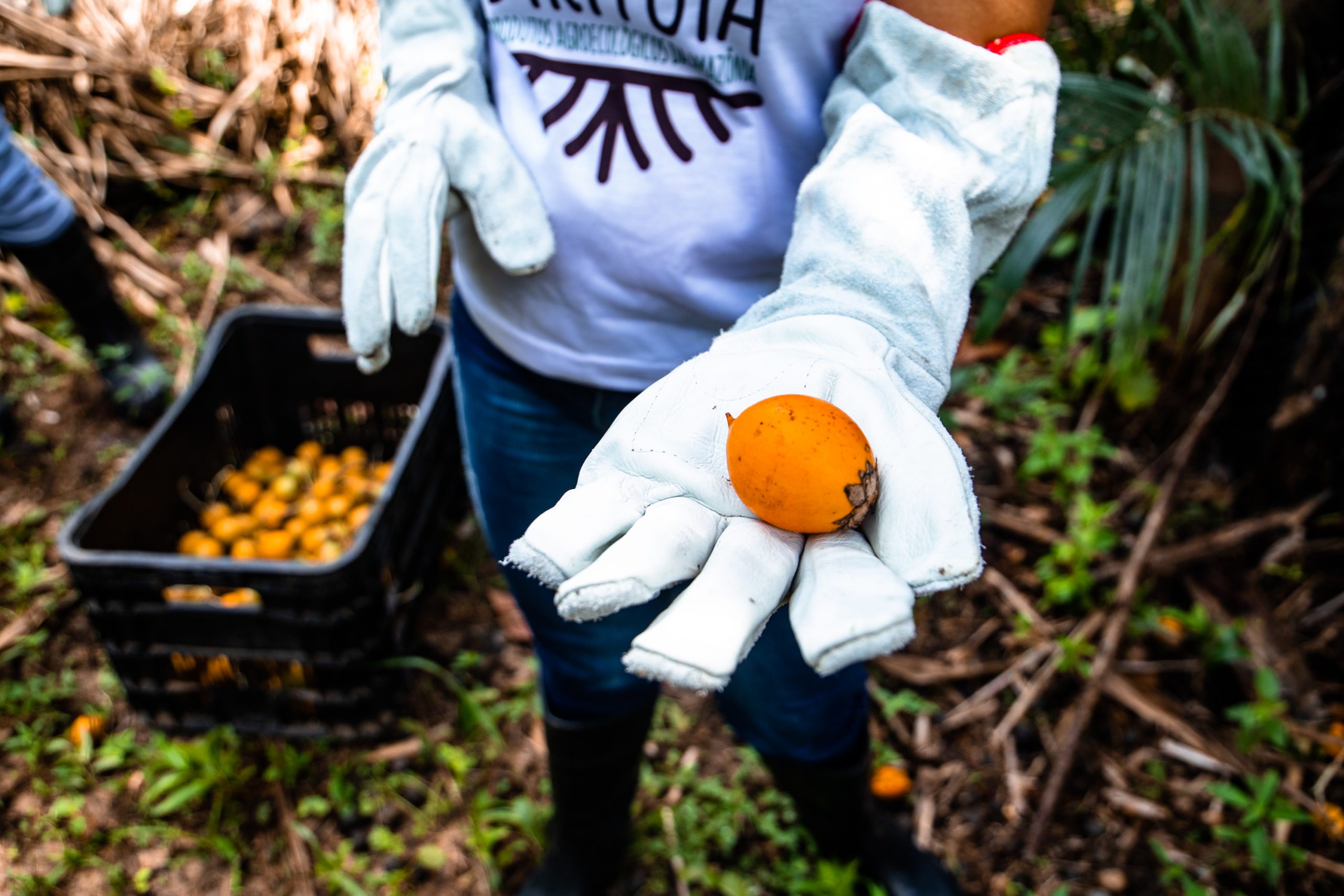
GEF approves USD 6.2M for Amazônia Viva to invest in cooperatives in the Amazon
After two years of negotiations, the Global Environment Facility (GEF) approved a contribution of USD 6.2 million to strengthen Amazonian cooperatives working with socio-biodiversity products. The Amazônia Viva Financing Mechanism is the first to use the GEF's Non-Grants Instrument. As established, FUNBIO will fully repay the funds over a period of eight years. Amazônia Viva is a blended finance initiative created by Natura, a Brazilian multinational and the leading beauty and personal care company in Latin America, VERT Securitizadora, and FUNBIO, which works to strengthen socio-biodiversity chains in the Amazon by providing access to credit. One of the mechanism's instruments is the Agribusiness Receivables Certificate (ARC), managed by VERT, which provides annual credit to socio-biodiversity cooperatives and associations to improve the harvesting of fruits such as açaí, tucumã, and Brazilian nuts. Natura participates as an investor and off-taker, helping to mitigate risks and encourage new partners to join. Today, the initiative supports 15 extractive communities and, with the new investment, aims to reach 40 associations by the end of the project. The second credit cycle was closed with 100% compliance among participating communities. The 15 associations received R$ 13 million to boost their productive activities. The goal for the next ten years is to benefit more than 10.000 families. “It's a complete solution!” says Sandra Amud, from the Association of Agroextractive Producers and Processors of Beruri (Amazonas), who works in Brazilian nut picking: “The mechanism not only finances cooperatives and associations, but also gives us autonomy to manage our own resources,” she celebrates.
Read news