LONG-DISTANCE TRAIL CONNECTS BIOMES, CULTURES AND OPPORTUNITIES IN NORTHEASTERN BRAZIL
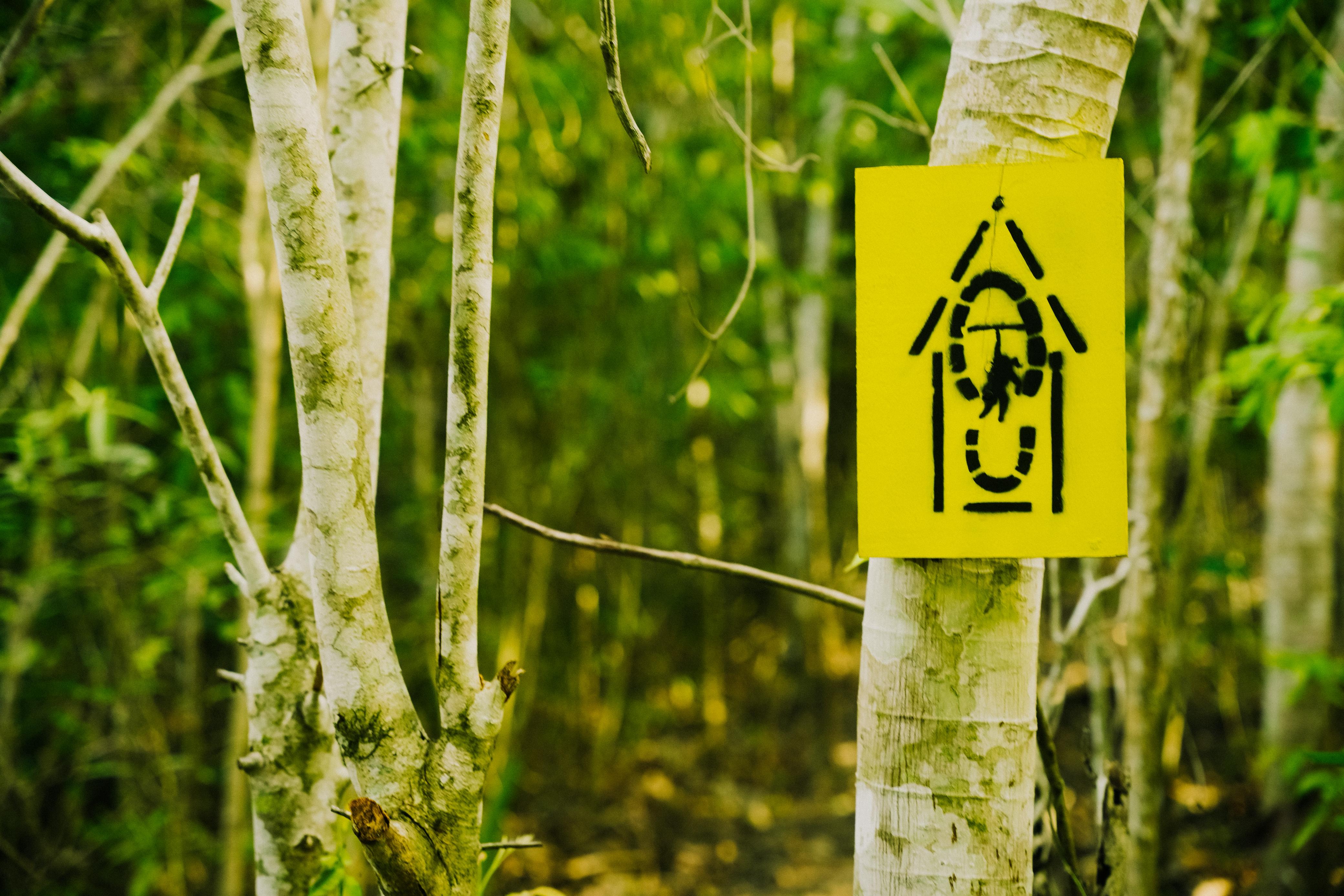
Spanning 180 km between the states of Piauí and Ceará, the Caminhos da Ibiapaba Trail integrates conservation units, strengthens community-based tourism and boosts the local economy Northeastern Brazil has just gained a new long-distance trail connecting two states, three biomes and three protected areas. Stretching 180 km across landscapes of the Caatinga, Atlantic Forest and Cerrado, the Caminhos da Ibiapaba Trail crosses the border between Piauí and Ceará, linking Sete Cidades National Park (PI), Ubajara National Park (CE) and the Serra da Ibiapaba Environmental Protection Area (CE and PI). Along the route, created with the GEF's support, scenic viewpoints, waterfalls, archaeological sites and traditional communities offer visitors an immersive experience in the diversity of the sertão, while creating new income and employment opportunities for local residents through community-based environmental tourism. Caminhos da Ibiapaba is one of 22 long-distance trails officially recognized by the National Network of Long-Distance Trails and Connectivity, a public policy initiative led by the Ministry of the Environment and Climate Change (MMA) and the Chico Mendes Institute for Biodiversity Conservation (ICMBio), in partnership with the Ministry of Tourism. The implementation project for the first long-distance trail to cross the Caatinga biome was developed by the Brazilian Institute of Municipal Administration (IBAM), in partnership with local governments and supported by the GEF Terrestrial Program—an initiative of the Ministry of the Environment funded by the Global Environment Facility (GEF), with FUNBIO as the executing partner and the Inter-American Development Bank (IDB) as the implementing agency. The trail promotes landscape connectivity in priority areas for biodiversity conservation, while strengthening ecotourism and adventure tourism as drivers of regional development. According to Pedro da Cunha e Menezes, Director of Protected Areas at the Ministry of the Environment and Climate Change (MMA), the trail—now 100% signposted—already stands out as a robust tourism product, with tour operators, trained local guides and an extensive accommodation network registered as partners. “It is a complete crossing, combining natural and cultural elements and diverse possibilities of use, reviving the culture of the tropeiros and traveling merchants who helped shape the history of Northeastern Brazil,” he said. Built along a centuries-old route still used today by traders buying and selling goods in the sertão, Caminhos da Ibiapaba connects multiple ecosystems, landscapes and cultures, blending memory, conservation and development. “With this initiative, ICMBio advances its mission of conserving nature with people, offering visitors the opportunity to discover and fall in love with the landscapes, geological monuments, fauna and flora preserved in the Serra da Ibiapaba, as well as to experience the culture and hospitality of local communities, which provide various support points along the crossing,” said Carla Guaitanele, ICMBio’s General Coordinator for Public Use and Environmental Services. The initiative represents a new itinerary opportunity for travel agencies and tour operators working with sustainable tourism in Brazil. “Long-distance trails like Caminhos da Ibiapaba strengthen local value chains, foster community-based tourism, enhance natural and cultural heritage, and increase the visibility of destinations aligned with best practices in conservation and sustainable territorial development through tourism,” said Fabiana Oliveira, General Coordinator for Tourism Products and Experiences at the Ministry of Tourism. For FUNBIO, actions to promote long-distance trails strengthen and complement the work of consolidating protected areas as strategic spaces that bridge environmental and social agendas. “Caminhos da Ibiapaba is a bet on environmental conservation as a driver of an economy that includes local communities as protagonists of social transformation,” said Rodolfo Marçal, manager responsible for the GEF Terrestrial Program. “The proposal is for the program to support the implementation of other equally strategic routes in the program’s two other target biomes, the Pampa and the Pantanal,” he added. Bringing Caminhos da Ibiapaba from concept to reality required engaging residents in building an itinerary that values sustainable regional development. “Beyond environmental importance, it is essential that initiatives like this also generate social and economic value for private landowners located along the route and for the communities encountered along the way,” explained Thiago Beraldo, technical coordinator of the trail’s implementation project. For this reason, various lodging and dining options in the region—from affordable to upscale—were mapped and invited to become trail partners, receiving an official plaque identifying their participation in the project. Mrs. Teresinha grows coffee, oranges, and lemons on her family’s small property, located within the Serra da Ibiapaba Environmental Protection Area. The family, which already operated Hotel Fazenda Engenho Velho as a rural tourism inn, sees an opportunity to welcome more guests interested in discovering the region’s natural attractions and the stories of its people. “We grow more than food. Our responsibility is to value the work of men and women who dedicate themselves to farming and now also to rural tourism,” she says. With the support and active participation of managers of the protected areas, preexisting routes were reviewed and adapted, making them more accessible, safer and more attractive to visitors. From standardized signage following the National Network of Trails guidelines to the redesign of sections to prioritize shaded areas and natural viewpoints, each stage was planned to enhance the visitor experience. Notably, nearly 40 kilometers of the route were reconfigured to pass through the interior of Ubajara National Park, replacing previous stretches that crossed roads and urbanized areas. The Caminhos da Ibiapaba Trail can be explored on foot or by bicycle, partially or in full, individually, in groups or accompanied by trained local guides. Signage ensures safe navigation for those who prefer to travel independently, while local guides enrich the journey with knowledge about the territory. The many viewpoints along the route offer panoramic views of the Serra da Ibiapaba from Ubajara National Park in Ceará, as well as the impressive geological formations featuring rock paintings in Sete Cidades National Park in Piauí. In total, the thirteen sections that make up the long-distance trail pass through municipalities such as Tianguá, Ubajara and Ibiapina in Ceará, and São João da Fronteira, Brasileira and Piracuruca in Piauí, crossing communities that preserve 17th-century houses, dams and reservoirs, further enriching the experience. In São João da Fronteira, local mobilization gave rise to a complementary route—the São João da Fronteira Trail—a short but unique path among carnaúba palms and rock paintings, expanding the project’s reach and consolidating its community legacy. [video width="848" height="478" mp4="https://www.funbio.org.br/wp-content/uploads/2026/02/WhatsApp-Video-2026-02-24-at-11.04.11.mp4"][/video] Information: Caminhos da Ibiapaba Trail: https://www.gov.br/icmbio/pt-br/assuntos/biodiversidade/unidade-de-conservacao/unidades-de-biomas/caatinga/lista-de-ucs/parna-de-ubajara/trilha-caminhos-da-ibiapaba Ubajara National Park: https://www.gov.br/icmbio/pt-br/assuntos/biodiversidade/unidade-de-conservacao/unidades-de-biomas/caatinga/lista-de-ucs/parna-de-ubajara Sete Cidades National Park: https://www.gov.br/icmbio/pt-br/assuntos/biodiversidade/unidade-de-conservacao/unidades-de-biomas/caatinga/lista-de-ucs/parna-de-sete-cidades/informacoes-sobre-visitacao-2013-parna-de-sete-cidades
Read news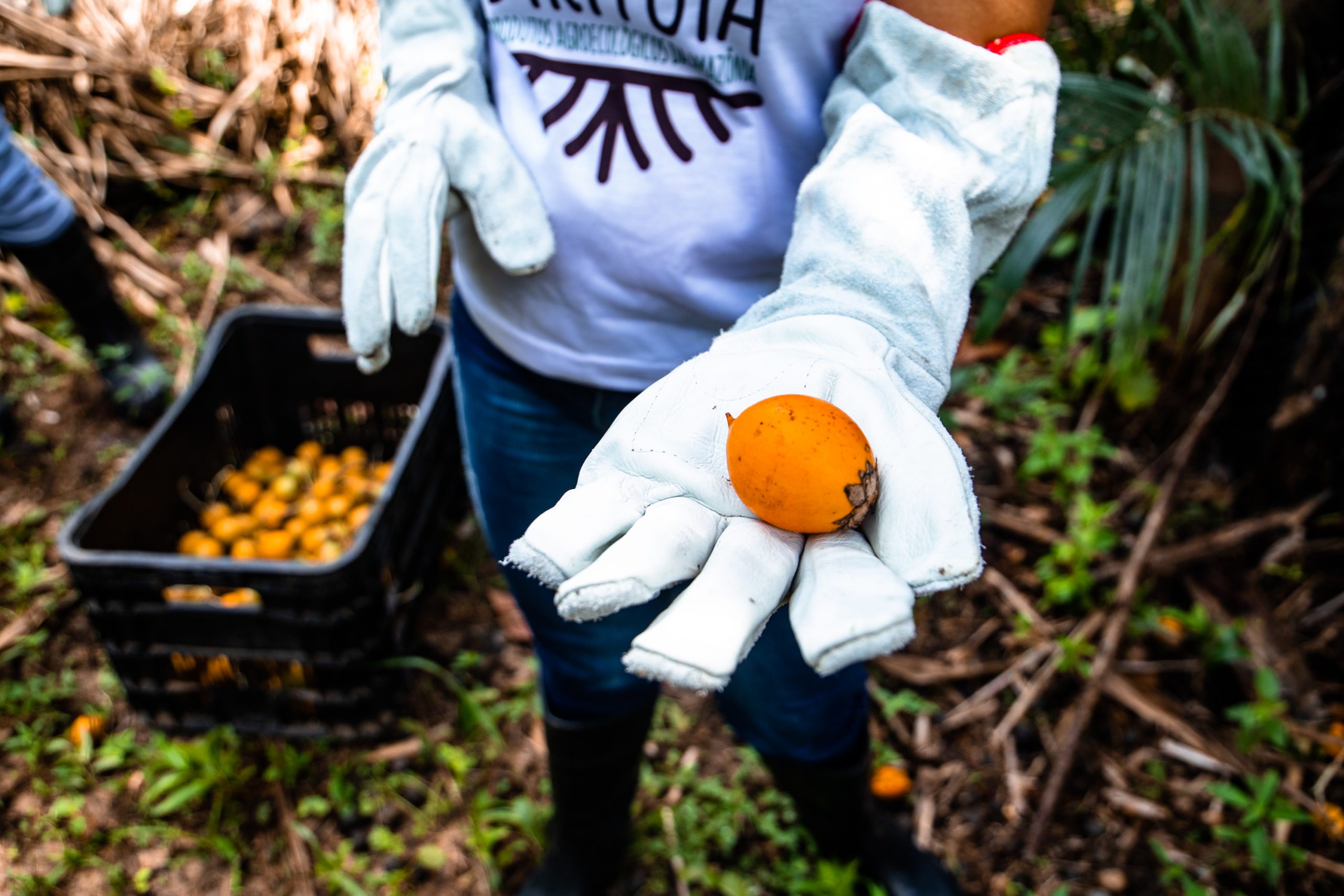
GEF approves USD 6.2M for Amazônia Viva to invest in cooperatives in the Amazon
After two years of negotiations, the Global Environment Facility (GEF) approved a contribution of USD 6.2 million to strengthen Amazonian cooperatives working with socio-biodiversity products. The Amazônia Viva Financing Mechanism is the first to use the GEF's Non-Grants Instrument. As established, FUNBIO will fully repay the funds over a period of eight years. Amazônia Viva is a blended finance initiative created by Natura, a Brazilian multinational and the leading beauty and personal care company in Latin America, VERT Securitizadora, and FUNBIO, which works to strengthen socio-biodiversity chains in the Amazon by providing access to credit. One of the mechanism's instruments is the Agribusiness Receivables Certificate (ARC), managed by VERT, which provides annual credit to socio-biodiversity cooperatives and associations to improve the harvesting of fruits such as açaí, tucumã, and Brazilian nuts. Natura participates as an investor and off-taker, helping to mitigate risks and encourage new partners to join. Today, the initiative supports 15 extractive communities and, with the new investment, aims to reach 40 associations by the end of the project. The second credit cycle was closed with 100% compliance among participating communities. The 15 associations received R$ 13 million to boost their productive activities. The goal for the next ten years is to benefit more than 10.000 families. “It's a complete solution!” says Sandra Amud, from the Association of Agroextractive Producers and Processors of Beruri (Amazonas), who works in Brazilian nut picking: “The mechanism not only finances cooperatives and associations, but also gives us autonomy to manage our own resources,” she celebrates.
Read news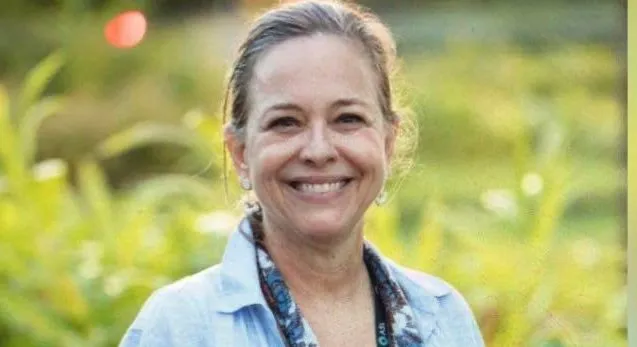
Investing in a New Generation of Conservation Leaders
A conversation with Dr. Adriana Gonçalves Moreira, Head of the GEF Partnerships Division, about the Fonseca Leadership Program - an initiative partnered with the FUNBIO Grants Program Photo Courtesy of Dr. Adriana Moreira Since 2023, the FUNBIO Grants Program – Conserving the Future has expanded its scope through a partnership with the Fonseca Leadership Program, an initiative launched by the Global Environment Facility (GEF). The program pays tribute to biologist Gustavo Fonseca, who led GEF’s programs division for many years and passed away prematurely in 2022, leaving a remarkable legacy in global conservation. Dr. Adriana Gonçalves Moreira, current Head of the Partnerships Division at the Global Environment Facility (GEF), worked closely with Gustavo Fonseca and was also a close personal friend. She emphasizes that integrity, perseverance, and a spirit of collaboration were among the core values he championed - principles that continue to guide and inspire the new generation of conservation leaders supported by the Fonseca Leadership Program. A renowned expert in biodiversity conservation, climate change, and sustainability, Adriana has played a key role in shaping and managing impactful initiatives, including the Amazon Region Protected Areas Program (ARPA). She is also a co-founder and the first president of the Amazon Environmental Research Institute (IPAM). As the lead of the Fonseca Leadership Program, Adriana explains that the initiative is designed to support transformative projects that harness science as a tool to inform public policy and drive real impact in nature conservation. The program extends beyond Brazil, engaging 166 fellows across more than 40 countries on every continent - forming a truly global network of researchers. In Brazil alone, through its partnership with FUNBIO, the program has already supported 20 research projects. What motivated the creation of the Fonseca Fellowship Program, and how did the partnership with the FUNBIO Grants Program come about? The creation of this initiative was deeply meaningful to us, as it came at a very difficult time for the institution following the passing of our director, Gustavo Fonseca. The partnership with FUNBIO came about quite naturally. We were already familiar with FUNBIO’s Grants Program and saw it as a swift and effective way to implement the concept - already approved by the GEF Council - of supporting youth capacity building and training a new generation of conservation leaders. We wanted to begin in Brazil, so partnering with FUNBIO, a long-time GEF collaborator, was an organic choice. We discussed the different fellowship funding streams, and in Brazil, the focus is quite specific - most of the support is directed toward field research, which is a critically important area. I personally benefited from scholarships during my master’s and doctoral studies, and I know from experience that funding for fieldwork is often the hardest to secure. This initiative is also aimed at addressing that gap, by supporting the training of future conservation leaders in Brazil. What types of research projects are you looking to support, and what outcomes do you hope to achieve? There’s an incredible pool of talent, and we support a wide range of fields. But at the heart of it, we’re looking for transformative projects - those with the potential to create real, lasting impact. In particular, we’re very interested in initiatives that use science to inform public policy. That’s a key area where we see great potential for meaningful change. We’re especially interested in projects that synthesize work across critical areas such as landscape ecology, protected area management, flagship species, and endangered species - always with a more applied focus. Scientific rigor is essential, of course, but we’re looking for research that translates into real impact: advancing species conservation, protecting Brazil’s biomes, and informing government-led initiatives and public policies in these areas. Although the partnership with FUNBIO focuses on Brazilian researchers, this isn’t a Brazil-only initiative. Can you tell us more about that? The program is global. Even though it’s still relatively new, we already have a network of 166 Fonseca Fellows, our grantees, spread across every continent. We’re now working on building stronger connections within this network. One of our strategies is to bring the most outstanding fellows into global policy dialogues, particularly those tied to international conservation agendas. For instance, we’re organizing a training event for fellows from Southeast Asia and the Pacific, focused on leadership and navigating the science–policy interface. It will take place during the International Congress for Conservation Biology in Brisbane, Australia, this June. We’re also planning a special session at the IUCN [International Union for Conservation of Nature] event in October, with a spotlight on the program’s emerging leaders. How do you plan to promote this global platform for researchers? We’re developing a dedicated platform to foster integration and knowledge exchange within the program, which will be launched soon. I see it as a way to stimulate global interaction among researchers from diverse backgrounds. This is a key strategy of the program, to broaden researchers’ perspectives, not only in terms of scientific inquiry, but also by encouraging language learning, cross-cultural engagement, and a deeper understanding of decision-making processes at national, regional, and global levels. It’s a vital part of the leadership development we’re committed to supporting in the field of conservation. What do you hope these researchers - most of whom are still in the early stages of their academic careers - will gain from this experience? We want the fellowship to give them the opportunity to fully focus on their research - financial support plays a key role in making that possible. But just as importantly, we hope it helps them cultivate a broader perspective on the world and expand their sense of what’s possible for their future. There are a few key ideas we hope to inspire through the program. First, we want fellows to engage with Gustavo’s story, his roots, his journey. He was a researcher who, early in his career, had the privilege of receiving funding that enabled him to pursue advanced academic training, both in Brazil and abroad. We invite those selected through a highly competitive process to reflect on the impact such opportunities can have, not just on their own careers, but on their ability to give back to their country and to the global environment. It’s an invitation to broaden their perspective and recognize the importance of aligning their work with the world’s most pressing environmental challenges. Another important message is that scientific thinking, the ability to ask questions, formulate hypotheses, and apply rigorous methodology, can be used well beyond academic research. We want to broaden the perspective that pursuing a master’s, a PhD, and an academic career is the only path. While academia is essential for building critical mass, especially in Brazil and across the Global South, it’s just as important for researchers to remain open to other career possibilities - ones that allow them to contribute meaningfully in key areas and make a real difference. I’m a biologist with a master’s and PhD who began in academia and now works at the World Bank, financing conservation projects because that kind of training is equally valuable in this space. One of the key messages I share through this program is an invitation to explore non-traditional career paths: working with civil society organizations, embracing an entrepreneurial mindset to create new processes, new institutions. We want to encourage the next generation to see their academic background through a broader lens and to pursue diverse opportunities where they can truly make a difference. Which of Gustavo Fonseca’s values would you like to see inspire the next generation of researchers? Gustavo and I were very close friends. What stands out most to me is his unwavering perseverance in pursuing his goals, and his deeply inquisitive mind - he was always asking questions, and never the easy ones. He embodied integrity, but also had a strong commitment to collective work. He had a gift for inspiring teams and bringing people together, and I think that truly defined him. He also had a visionary approach to institution-building. He helped found Fundação Biodiversitas in Brazil and played a major role in establishing Conservation International (CI) in the country. His mission was always to leave a lasting legacy of strong, high-impact institutions dedicated to conservation. What are the future prospects for the program? Long live the Fonseca Leadership Program? Absolutely! The GEF operates in four-year cycles, and we’re already preparing for the next, GEF-9, which will run from July 2026 to June 2030. We’re now approaching the end of GEF-8, the cycle in which the Fonseca Leadership Program was launched, with an initial investment of USD 10 million. An expansion of the program is already on the table for the next cycle, broadening its scope beyond conservation to include other key GEF areas such as climate change, chemicals, and international waters. This expansion reflects a long-term vision: that investing in the next generation of environmental leaders is essential. The program is a cornerstone of GEF’s commitment to building youth capacity and preparing future changemakers across the full spectrum of environmental challenges.
Read news