Notícias
When science listens to the land
Field research supported by the GEF is revealing how locally grounded knowledge can help safeguard Brazil’s biodiversity.
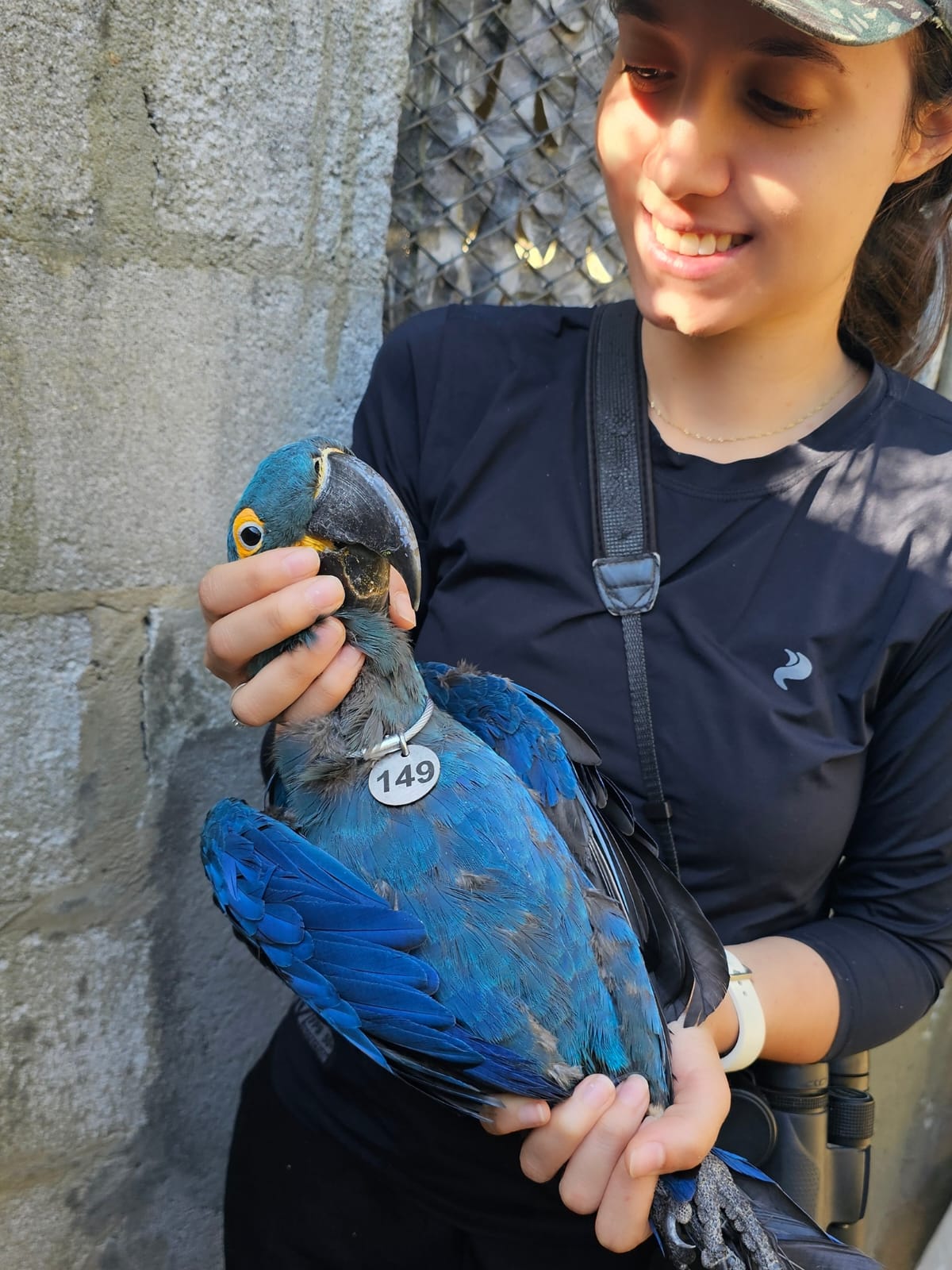
How do you protect the biodiversity of a country that contains some of the largest tropical forests on Earth, thousands of endemic species, and extraordinary cultural diversity? One path forward comes from the GEF’s Fonseca Leadership Program which, in partnership with FUNBIO – the Brazilian Biodiversity Fund – supports fieldwork led by young scientists. Their research generates knowledge with the potential to strengthen conservation efforts and inform public policy. To date, 251 research projects have been supported across Brazil. These studies will make it possible, for example, to trace the origins of trafficked wildlife – including rare and threatened species such as the Lear’s macaw, coveted for its strikingly blue feathers – and to understand the impact of exotic primates on the Atlantic Forest, one of the most biodiverse biomes on the planet and home to more than 20,000 plant species. The program has just selected 35 additional projects through the FUNBIO Grants – Conserving the Future initiative.
The partnership expands not only the scope of the research but also the development of future environmental leaders. “The Fonseca Program is still young, yet it already brings together a network of more than 240 Fonseca Fellows from 54 countries across every continent (34 of them in Brazil). We are now launching a leadership‑training initiative to prepare these researchers to engage in global conservation policy discussions,” says Dr. Adriana G. Moreira, Head of the GEF Partnerships Division.
“We are extremely pleased with the quality of proposals submitted by these young scientists. The record number of applications shows that the program has become a solid and effective mechanism for fostering applied field research in Brazil,” notes Rosa Maria Lemos de Sá, Secretary‑General of FUNBIO and creator of the program. The supported studies highlight how field‑based science can uncover hidden conflicts, strengthen local communities, and offer nature‑based solutions. The three examples below illustrate this impact.
BALANCE AT RISK
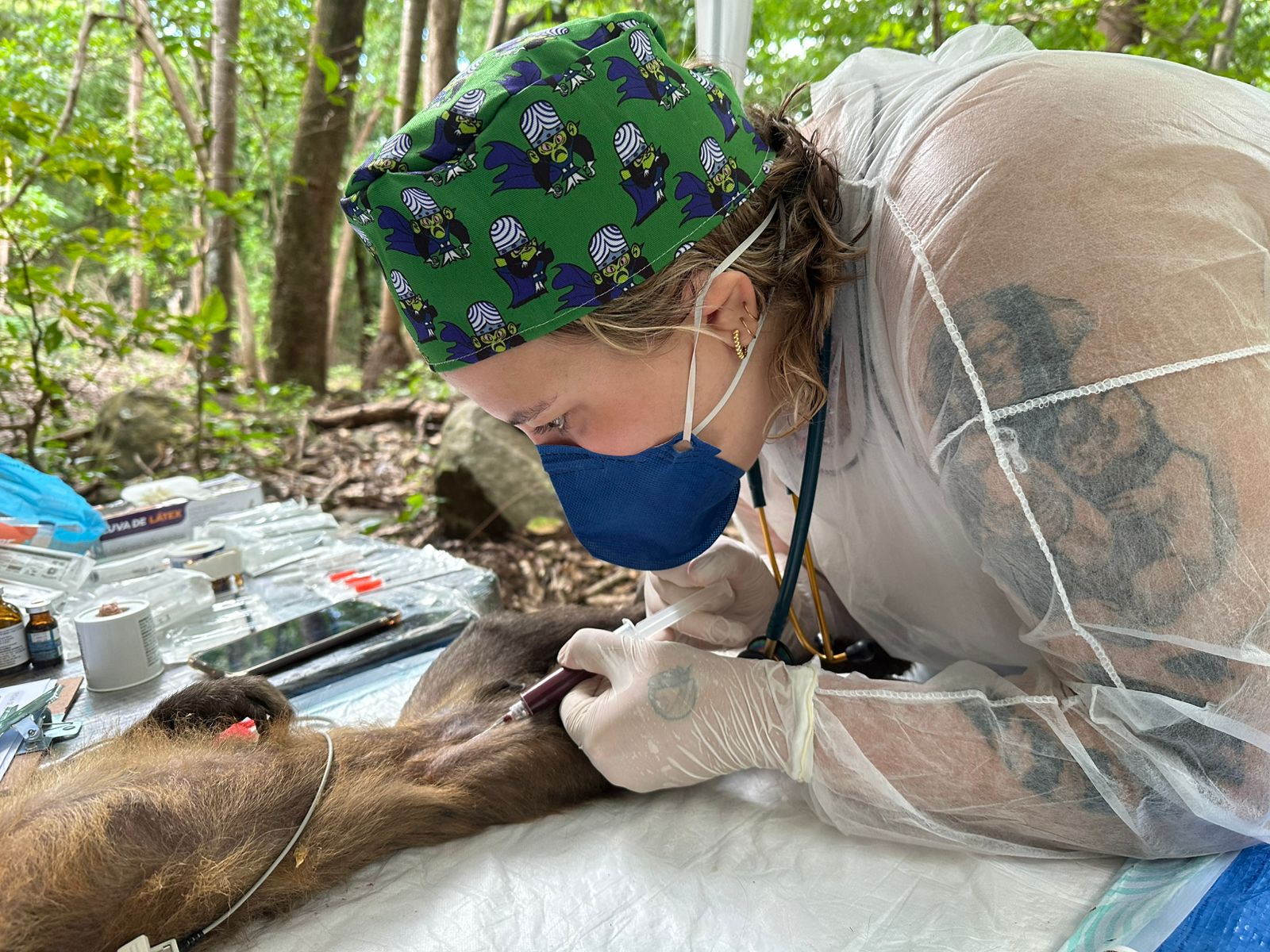
In the Saltinho Biological Reserve in Pernambuco, located in Brazil’s Atlantic Forest, a doctoral research project is tackling a complex challenge: the presence of the squirrel monkey, a small primate native to the Amazon that does not belong to the fauna of this biome, one of the planet’s most biodiverse and most threatened biomes.
Local residents and researchers have reported a troubling trend: a forest growing increasingly silent, possibly due to these primates preying on the eggs and chicks of birds. The species was introduced into the region after wildlife‑trafficking seizures.
With no natural predators and decades without management interventions, the squirrel monkey population has grown. The research aims to fill a long‑standing gap in data by mapping their distribution and estimating population size, providing a robust scientific basis for future conservation decisions.
“My PhD is not about immediately controlling the population of these primates, but about generating the scientific evidence needed so that management can be carried out effectively in the future,” explains Larissa Vaccarini, one of the selected researchers.
TRACKING THE EVIDENCE
The Caatinga, a semiarid region found only in Brazil and, in this case, located in the state of Bahia, is home to one of the most iconic birds in global conservation: the Lear’s macaw.
With its spectacular, intensely blue plumage, the species was named in honor of the English poet and writer Edward Lear, who illustrated it in the 19th century. Endemic to Brazil, the macaw once came close to extinction and has since become an international symbol of successful conservation efforts.
Even with its population recovering, the illegal wildlife trade remains a serious threat. To confront it, researchers are turning to a sophisticated tool: the analysis of isotopic signatures found in the birds’ feathers, blood, and claws. These signatures act as “chemical fingerprints,” allowing scientists to pinpoint the animals’ geographic origin and distinguish individuals captured illegally.
AMAZONIAN SOCIOBIODIVERSITY
In northern Brazil, scientific research is also deeply connected to the daily lives of traditional communities. In the Mocapajuba Marine Extractive Reserve, in the Amazon, one study examines how small-scale fishing, crab harvesting, and the management of açaí, a superfood native to the region that has gained global prominence, shape the local economy.
The research explores how these production chains interact with public policies, community‑based governance models, and ecosystem‑conservation strategies. By translating traditional practices into systematized data, the study helps ensure that the Amazonian bioeconomy becomes more than a concept, guiding concrete decisions grounded in the realities of local territories.
In a megadiverse country like Brazil, where forests, communities, and species face constant pressure, the science supported by the GEF helps interpret the signals of the present and safeguard the future. Whether the forest grows silent, crime hides in plain sight, or local economies emerge from nature itself, scientific knowledge becomes a central tool for global conservation.
The 2025 edition of the FUNBIO Grants– Conserving the Future selected 35 master’s and doctoral projects (including 15 Fonseca Fellows) from a record‑breaking 629 proposals, reflecting the growing interest of young scientists in producing knowledge grounded in real environmental challenges. In total, more than R$ 1.5 million will be invested in research across all Brazilian biomes. The program, which supports field studies carried out directly in the territories where environmental issues unfold, has already backed researchers from 56 academic and scientific institutions in the country.
The full list of selected projects is available on FUNBIO’s website.